
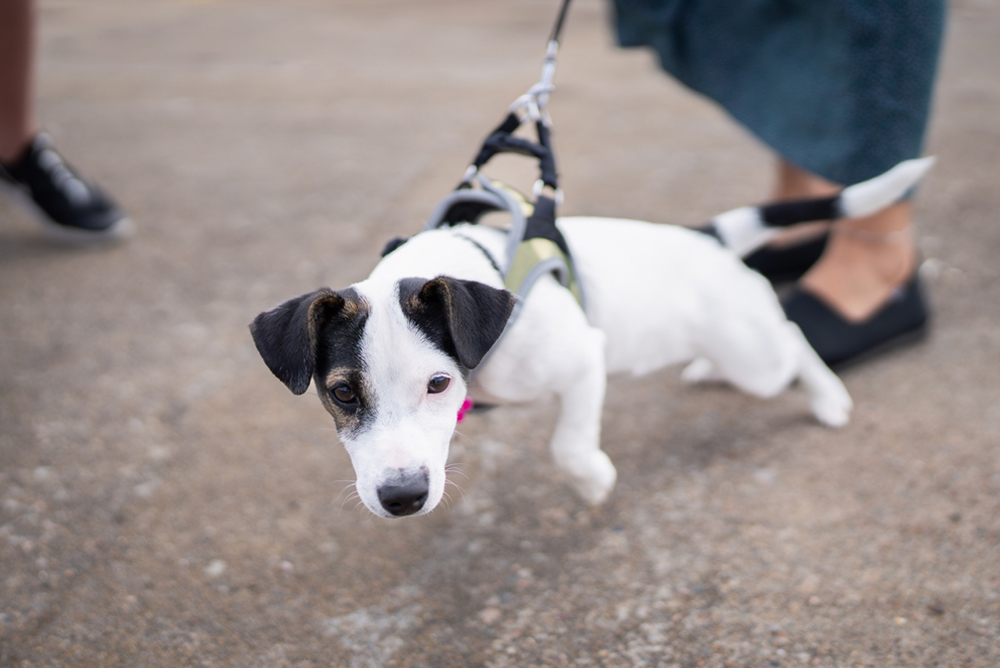
The good news is that these behaviors are very common—and in many cases, they can improve significantly with the right training, consistency, and understanding. Let’s look at why dogs pull lunge or bark on walks.
Why Dogs React on Walks
Many people assume dogs pull, bark, or lunge because they are being “bad” or trying to dominate the situation. In reality, these behaviors are often driven by:
- Excitement
- Frustration
- Fear or anxiety
- Overstimulation
- Lack of impulse control
- Inconsistent leash training
Walks can be extremely stimulating for dogs. New smells, sights, sounds, people, dogs, squirrels, bicycles, and traffic all compete for their attention at once.
Some dogs simply become overwhelmed and don’t yet know how to stay calm and focused in those environments.
Pulling on the Leash
Dogs naturally walk faster than humans and are often motivated to explore everything around them.
Many dogs learn that:
- Pulling gets them where they want to go faster.
- Unfortunately, repeated pulling can turn walks into a constant battle.
Pulling may become worse when:
- Dogs are overly excited before the walk begins
- Walks lack structure or consistency
- Dogs do not understand leash expectations
- Owners unintentionally reward pulling by continuing forward movement
Lunging at Dogs or People
Lunging can look aggressive, but it is not always caused by aggression.
Some dogs lunge because they:
- Want to greet another dog
- Feel frustrated by the leash restriction
- Are anxious or fearful
- Become overstimulated during walks
Without proper training, repeated lunging can become a learned behavior pattern over time.
Barking During Walks
Barking on walks is another common form of leash reactivity.
Dogs may bark because they are:
- Alerting to movement or unfamiliar people
- Excited
- Nervous
- Frustrated
- Seeking attention
Some dogs bark more when they feel confined by the leash and unable to create distance from whatever is triggering them.
Why Punishment Often Makes Things Worse
One of the biggest mistakes owners make is relying heavily on punishment or leash corrections without addressing the underlying cause of the behavior.
Harsh corrections may:
- Increase anxiety
- Create negative associations
- Escalate reactivity
- Damage trust and focus during walks
Instead, successful leash training focuses on teaching dogs:
- Calm behavior
- Focus and engagement
- Better coping skills
- Consistent walking expectations
What Does Help
Improving walks usually involves a combination of training, structure, and patience.
Helpful strategies may include:
Teaching Focus and Engagement
Dogs need to learn that paying attention to their handler is rewarding.
Training exercises that reinforce:
- Eye contact
- Name recognition
- Check-ins during walks
- Calm behavior around distractions
Can help improve focus outdoors.
Managing Distance from Triggers
Many reactive dogs struggle because they are too close to whatever is triggering the reaction.
Creating more distance from:
- Other dogs
- Crowds
- Bikes
- Busy environments
Can help dogs remain calm enough to learn new behaviors.
Practicing Calm Walking Skills
Loose leash walking takes practice and consistency.
Short, structured training session walks are often more effective than long, overstimulating walks.
Dogs benefit from learning:
- Walking beside their handler
- Slowing down when the leash tightens
- Stopping and refocusing calmly
Mental Stimulation Matters Too
A tired dog is not always a calm dog.
Dogs also need:
- Mental stimulation
- Training exercises
- Structured activities
- Opportunities to sniff and explore appropriately
Meeting both physical and mental needs can help reduce frustration and overstimulation during walks.
Progress Takes Time
Leash reactivity and pulling behaviors rarely disappear overnight.
Improvement often happens gradually through:
- Consistent training
- Clear expectations
- Controlled exposure to distractions
- Positive reinforcement
Many dogs become significantly more manageable and confident with the right support and practice.
You Don’t Have to Struggle Through Walks Alone
If walks have become stressful, frustrating, or overwhelming, professional training can help identify the root causes of the behavior and create a more successful plan for both you and your dog.
Better walks are possible—and they can make a huge difference in your dog’s confidence, behavior, and overall quality of life. Especially now that you understand why dogs pull lunge or bark on walks.
At Union Lake Pet Services, our training team works with dogs of all ages and personalities to help improve leash manners, confidence, focus, and behavior during walks. Whether your dog pulls, lunges, barks, or becomes overstimulated outdoors, we can help you build calmer, more enjoyable walking experiences together.
