
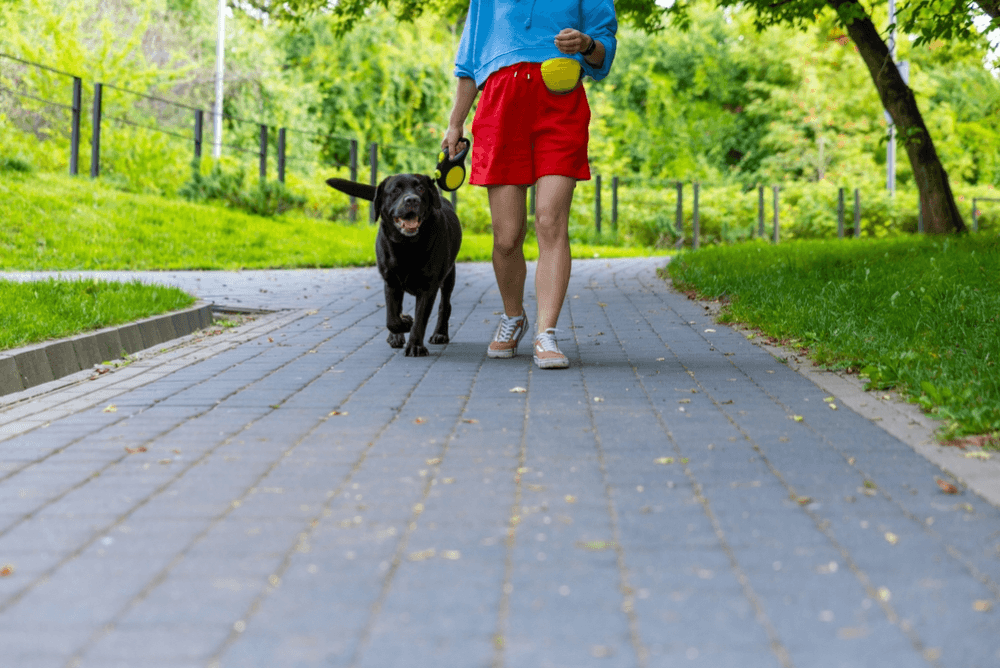
Most dogs love going for walks—and for good reason! Walks provide exercise, mental stimulation, and a chance to explore the world. But not all walks are created equal.
While casual walks are great for relaxation and bonding, training walks for dogs offer an added layer of structure that can significantly improve your dog’s behavior, focus, and overall well-being.
Understanding the difference can help you make the most of your daily outings—and set your dog up for long-term success.
What Is a Casual Walk for Dogs?
A casual walk is exactly what it sounds like: a relaxed outing where your dog has more freedom to sniff, wander (within reason), and enjoy their surroundings.
These walks are important because they allow your dog to:
- Decompress and relieve stress
- Engage their senses through sniffing and exploring
- Enjoy quality bonding time with you
- Get light to moderate physical exercise
Casual walks are especially beneficial for mental enrichment and giving your dog a break from structure.
What Is a Training Walk?
A training walk for dogs is a more structured, intentional outing focused on reinforcing good behavior and building skills. During these walks, your dog is expected to follow cues and remain engaged with you.
Training walks typically emphasize:
- Loose leash walking (no pulling)
- Checking in with the handler
- Responding to cues like “sit,” “heel,” or “leave it”
- Ignoring distractions such as other dogs, people, or wildlife
- Walking calmly and confidently in different environments
Rather than just “going for a walk,” your dog is actively learning how to behave in the real world.
Key Benefits of Training Walks for Dogs
Incorporating training walks into your routine can make a noticeable difference in your dog’s behavior—both on and off the leash.
- Improved Leash Manners: Training walks teach your dog that pulling doesn’t get them where they want to go. Over time, this leads to more enjoyable, stress-free walks for both of you.
- Better Focus and Attention: Your dog learns to check in with you instead of becoming overly fixated on distractions. This builds a stronger connection and improves responsiveness.
- Increased Confidence: Structured exposure to new sights, sounds, and environments helps dogs feel more secure and less reactive over time.
- Mental Stimulation: Learning and practicing skills during a walk provides valuable mental exercise, which can reduce boredom and unwanted behaviors at home.
- Safer Outings: A dog that listens and responds reliably is easier to manage in unpredictable situations, such as encountering other dogs or busy streets.
When to Choose a Casual Walk for Your Dog
Casual walks still play an important role in your dog’s routine. They’re ideal when your dog needs to relax and simply enjoy being a dog.
Consider casual walks when:
- Your dog needs a mental break
- You want to encourage sniffing and exploration
- You’re in a low-distraction environment
- Your goal is bonding rather than training
Think of these walks as your dog’s version of downtime.
When to Choose a Training Walk for Your Dog
Training walks are best for reinforcing skills and improving behavior.
They’re especially helpful if your dog:
- Pulls on the leash
- Gets overly excited or reactive on walks
- Ignores cues outside the home
- Needs help building confidence in new environments
- Is still learning basic obedience skills
Even short, consistent training walks can lead to big improvements over time.
Finding the Right Balance
The best routine usually includes a mix of both training and casual walks. Dogs benefit from structure, but they also need opportunities to explore and decompress.
A balanced approach might look like:
- Starting with a short training-focused walk
- Ending with a more relaxed, sniff-friendly stroll
- Alternating days or portions of the walk between structure and freedom
This combination helps your dog stay well-rounded—both mentally and behaviorally.
How Professional Training Walks Can Help Dogs
At Union Lake Pet Services, training walks are designed to reinforce positive behaviors while giving your dog the exercise and enrichment they need.
Our experienced team works with dogs of all ages and skill levels to:
- Build better leash manners
- Improve focus and responsiveness
- Reduce reactivity and overstimulation
- Boost confidence in real-world settings
Training walks are a great option for busy pet parents who want consistent, professional support in their dog’s development.
Additional Resources from Union Lake Pet Services
- How to Deal with Common Dog Walking Problems
- Trainer Tips: How To Walk A Leash-Reactive Dog
- Spicing Up Your Dog’s Daily Walks
Ready to Upgrade Your Dog’s Walks?
If your daily walks feel more like a tug-of-war than an enjoyable outing, training walks can make all the difference.
With the right balance of structure and freedom, your dog can learn to walk calmly, confidently, and happily by your side—while still enjoying all the sights and smells along the way.
Union Lake Pet Services is here to help you and your dog every step of the journey.
