Dogs need regular activity for their bodies and their minds. Walks, playtime, training, sniffing, and social interaction all help dogs stay healthy, happy, and better behaved.
But when temperatures climb too high or drop too low, your dog’s normal exercise routine may need to change. Extreme heat, humidity, cold, ice, wind, and snow can all create safety risks. The good news is that dogs can still burn energy and enjoy enrichment when outdoor exercise is limited.
At Union Lake Pet Services, we know how important daily activity is for dogs. The key is adjusting the type, timing, and intensity of exercise to match the weather and your dog’s individual needs.
Why Extreme Temperatures Change Your Dog’s Exercise Needs
Dogs do not handle temperature extremes the same way people do. They rely heavily on panting to cool themselves and can overheat quickly during hot, humid weather. In cold weather, dogs may be at risk for frostbite, hypothermia, paw irritation, slipping injuries, or discomfort from ice, snow, and wind.
Your dog’s tolerance depends on many factors, including:
- Age
- Breed
- Coat type
- Fitness level
- Weight
- Health conditions
- Paw sensitivity
- Acclimation to the weather
- Activity intensity
- Humidity, wind chill, and sun exposure
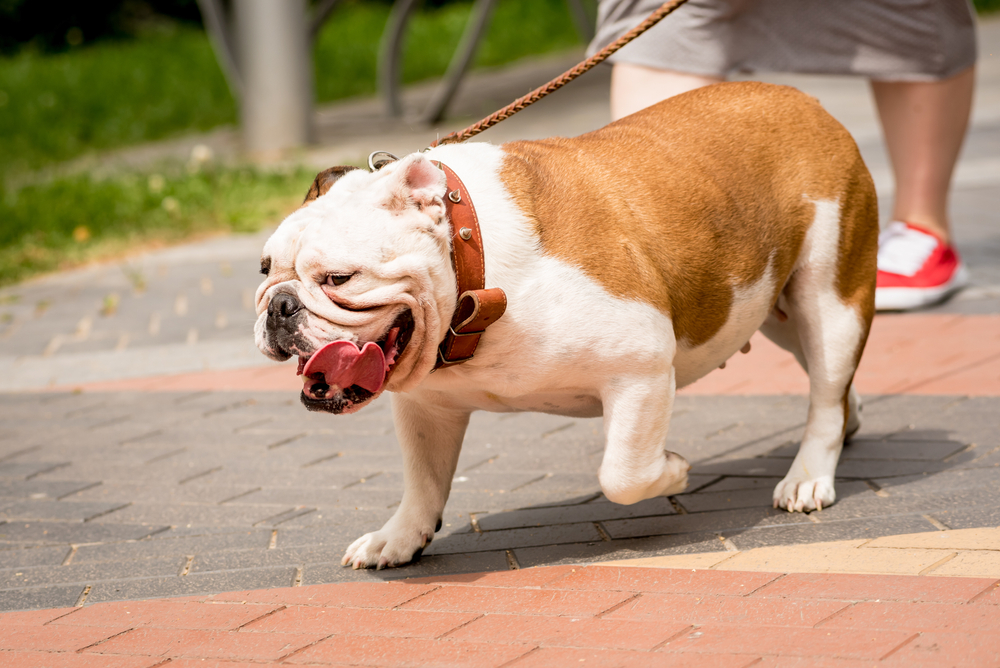
A young, healthy Labrador may handle a cool-weather walk differently than a senior Chihuahua. A Husky may enjoy cold weather but struggle in heat. A Bulldog may overheat faster than a long-nosed breed, even during moderate activity.
Extreme weather does not mean your dog has to be bored. It means you may need a smarter exercise plan.
Exercising Your Dog Safely in Hot Weather
Hot weather can be dangerous for dogs, especially when heat and humidity are high. Heatstroke is a medical emergency, and it can happen faster than many pet owners expect.
To help your dog stay safe:
- Walk early in the morning or later in the evening
- Avoid midday exercise
- Keep walks shorter and slower
- Choose shaded routes
- Bring water and offer frequent breaks
- Avoid intense running, biking, or fetch during high heat
- Watch for heavy panting, slowing down, or seeking shade
- Never leave your dog in a parked car
The American Veterinary Medical Association recommends walking, hiking, or running during the cooler parts of the day and avoiding hot surfaces such as asphalt that can burn paws.
Protect Your Dog’s Paws From Hot Surfaces
Pavement, concrete, sand, decks, metal, and artificial turf can become dangerously hot in direct sun. Dogs can suffer burned paw pads even during a short walk.
A simple test: place the back of your hand on the surface for several seconds. If it feels too hot for your hand, it is too hot for your dog’s paws.
To protect your dog:
- Walk on grass when possible
- Choose shaded paths
- Use well-fitted dog booties if your dog tolerates them
- Avoid dark pavement during peak sun
- Check paw pads after walks
- Keep outdoor walks brief during heat waves
If your dog refuses to walk, lifts their paws, limps, or seems uncomfortable, head indoors.
Dogs Most at Risk in Hot Weather
Any dog can overheat, but some dogs need extra caution, including:
- Flat-faced breeds such as Bulldogs, Pugs, Boxers, Boston Terriers, and Shih Tzus
- Senior dogs
- Puppies
- Overweight dogs
- Thick-coated breeds
- Dogs with heart, lung, or airway conditions
- Dogs with limited mobility
- Dogs who are not used to hot weather
For these dogs, even a short walk in heat and humidity may be too much. Indoor enrichment may be the safer choice.
Signs Your Dog May Be Overheating
Stop activity and move your dog to a cooler area if you notice:
- Heavy or frantic panting
- Excessive drooling
- Weakness
- Stumbling
- Bright red, pale, or abnormal-looking gums
- Vomiting or diarrhea
- Confusion
- Collapse
If you suspect heatstroke, seek veterinary care immediately. Begin cooling your dog with cool—not ice-cold—water and contact a veterinarian right away.
Exercising Your Dog Safely in Cold Weather
Cold weather also requires adjustments. Snow, ice, frozen ground, wind, and freezing temperatures can make outdoor exercise uncomfortable or unsafe.
To help your dog stay safe in cold weather:
- Keep walks shorter during extreme cold
- Use a coat or sweater for short-coated, small, senior, or thin dogs
- Avoid icy surfaces when possible
- Wipe paws after walks
- Remove ice balls from between toes
- Watch for shivering, lifting paws, slowing down, or reluctance to continue
- Avoid letting dogs eat snow treated with salt or chemicals
- Keep fresh water available indoors
The AVMA advises contacting a veterinarian right away if you suspect hypothermia or frostbite.
Paw Care in Snow, Ice, and Salt
Winter walks can irritate your dog’s paws. Ice, salt, and de-icing chemicals can dry, crack, or sting paw pads.
After walks:
- Wipe paws with a damp towel
- Check between toes
- Remove ice or packed snow
- Watch for redness, cracking, or limping
- Consider booties for dogs who tolerate them
- Use pet-safe ice melt around your home when possible
If your dog repeatedly lifts their paws, tries to turn around, or limps, the weather or ground surface may be too uncomfortable.
When to Skip Outdoor Exercise
Sometimes the safest choice is to stay indoors. Consider skipping or shortening outdoor exercise when:
- Heat index is high
- Humidity is extreme
- Pavement is hot
- Air quality is poor
- Temperatures are dangerously cold
- Wind chill is severe
- Walkways are icy
- Your dog is very young, senior, ill, or recovering
- Your dog has breathing, heart, mobility, or neurologic concerns
Skipping a long walk does not mean skipping activity. This is where indoor enrichment becomes especially valuable.
Indoor Enrichment: Exercise for Your Dog’s Brain
Mental activity can be just as tiring as physical exercise. Dogs enjoy problem-solving, sniffing, chewing, learning, and working for rewards.
Indoor enrichment can help:
- Reduce boredom
- Burn mental energy
- Support calmer behavior
- Build confidence
- Strengthen your bond
- Provide activity when outdoor exercise is unsafe
Even 10 to 15 minutes of focused enrichment can help many dogs feel more satisfied.
Easy Indoor Enrichment Ideas for Extreme Weather Days
Food Puzzles and Slow Feeders
Instead of feeding your dog from a regular bowl, use a puzzle feeder, snuffle mat, treat ball, or slow feeder. This encourages problem-solving and slows down mealtime.
The ASPCA notes that meals can become enrichment opportunities, and food puzzles can provide mental stimulation while slowing a dog’s eating.
Hide-and-Seek With Treats
Hide small treats around a room and let your dog sniff them out. Start easy, then gradually make the game more challenging.
You can hide treats:
- Under towels
- Behind furniture legs
- Inside cardboard boxes
- Around a hallway
- In a muffin tin covered with tennis balls
AKC recommends indoor scent games as a way to use a dog’s natural sniffing ability and provide mental stimulation in small spaces.
Training Games
Short training sessions are a great way to exercise your dog’s mind. Practice skills your dog already knows or introduce something new.
Try:
- Sit
- Down
- Stay
- Touch
- Place
- Leave it
- Drop it
- Recall
- Loose-leash walking indoors
- Fun tricks such as spin, bow, or paw
Keep sessions upbeat and brief. Several five-minute sessions can be more effective than one long one.
Indoor Fetch or Tug
If you have a safe space, play a gentle game of fetch down a hallway or tug in a carpeted room. Keep the game controlled to avoid slipping, jumping, or crashing into furniture.
This is not the time for wild play on slick floors. Safety matters indoors, too.
Snuffle Mats and Scatter Feeding
A snuffle mat lets your dog use their nose to find kibble or treats hidden in fabric folds. You can also scatter a portion of your dog’s meal across a towel or safe indoor area.
Sniffing is calming and naturally enriching for many dogs.
DIY Puzzle Toys
You do not need expensive equipment to enrich your dog’s day. Try:
- Treats rolled inside a towel
- A cardboard box filled with crumpled paper and hidden treats
- A muffin tin with treats under tennis balls
- Empty paper towel tubes with folded ends
- Frozen treats in a safe chew toy
Always supervise your dog with homemade enrichment, especially if they like to shred or swallow pieces.
Indoor Obstacle Courses
Create a simple indoor course using safe household items. Your dog can step over a broomstick, weave between cones or water bottles, walk around a chair, or practice “place” on a mat.
Keep it low-impact and avoid jumping, especially for puppies, senior dogs, or dogs with joint concerns.
Chewing and Licking Activities
Safe chewing and licking can help dogs relax. Consider veterinarian-approved chews, lick mats, or food-stuffed toys.
Use your dog’s regular food or safe treats, and adjust meal portions to avoid adding extra calories.
Rotate Toys Instead of Buying More
Dogs often lose interest when all toys are available all the time. Try keeping some toys put away and rotating them every few days. An old toy can feel new again when it reappears.
This is an easy, budget-friendly enrichment strategy.
Match Activities to Your Dog’s Age and Energy Level
Not every enrichment idea is right for every dog. A high-energy adolescent dog may need more structured activity, while a senior dog may prefer gentle sniffing games and soft chew toys.
Consider your dog’s:
- Age
- Breed tendencies
- Fitness level
- Health conditions
- Play style
- Chewing habits
- Training history
- Frustration tolerance
If your dog gets frustrated with a puzzle, make it easier. Enrichment should be engaging, not stressful.
How Dog Daycare and Training Can Help During Extreme Weather
When extreme temperatures make normal walks difficult, structured indoor or supervised activity can help dogs stay engaged and social.
At Union Lake Pet Services, dog daycare, playtime, and training can provide safe activity, mental stimulation, and social interaction in a supervised setting. For many dogs, a day of appropriate play, rest, and enrichment can help meet their needs when outdoor exercise is limited.
Training is also a great option during extreme weather. Dogs can learn new skills, improve manners, build confidence, and use mental energy without relying on long outdoor walks.
Build a Weather-Smart Exercise Routine
A safe extreme-weather routine may include:
- A short potty walk
- Indoor training practice
- A puzzle feeder meal
- A brief scent game
- Rest time
- Gentle play indoors
- Daycare or supervised play when appropriate
- A longer walk when temperatures improve
The goal is not to eliminate exercise. The goal is to adjust exercise so your dog stays safe, comfortable, and fulfilled.
Keep Your Dog Active and Safe Year-Round
Extreme heat and cold can disrupt your dog’s normal routine, but they do not have to lead to boredom. By adjusting outdoor walks and adding indoor enrichment, you can help your dog stay active, mentally stimulated, and safe in every season.
If your dog needs more activity, social time, or training during extreme weather, Union Lake Pet Services can help. Contact us to learn more about dog daycare, training, boarding, grooming, and enrichment options for your pet.
